Suspension Trauma Explained: What Really Happens After a Fall
And what some common fall protection training still gets wrong.

Knowledge Center
Articles from the field: equipment explained, standards in practice, and answers to real questions on working at height.
And what some common fall protection training still gets wrong.
A full body harness has no universal expiration date. OSHA and the ANSI/ASSP Z359.11 harness standard set none, some manufacturers do, and inspection and the harness’s history decide the rest.
The back D-ring is the primary fall arrest attachment on a full body harness, and where it sits when worn affects how a worker is held in a fall.
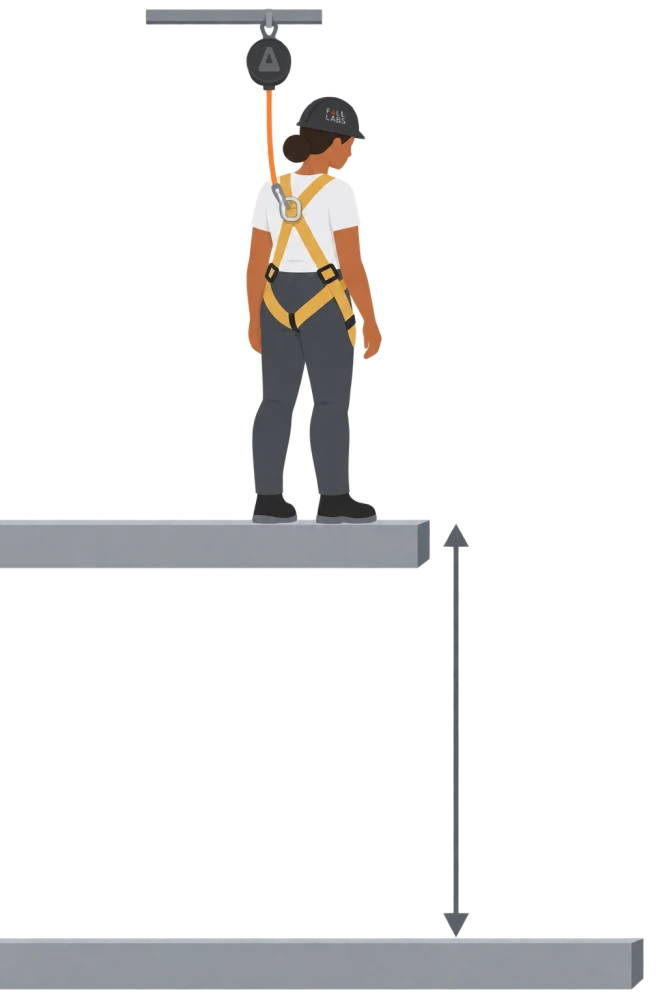
A six-foot lanyard does not mean a six-foot fall, and adding up the full distance before you tie off is how you confirm there is room for the system to stop you before you reach the level below.
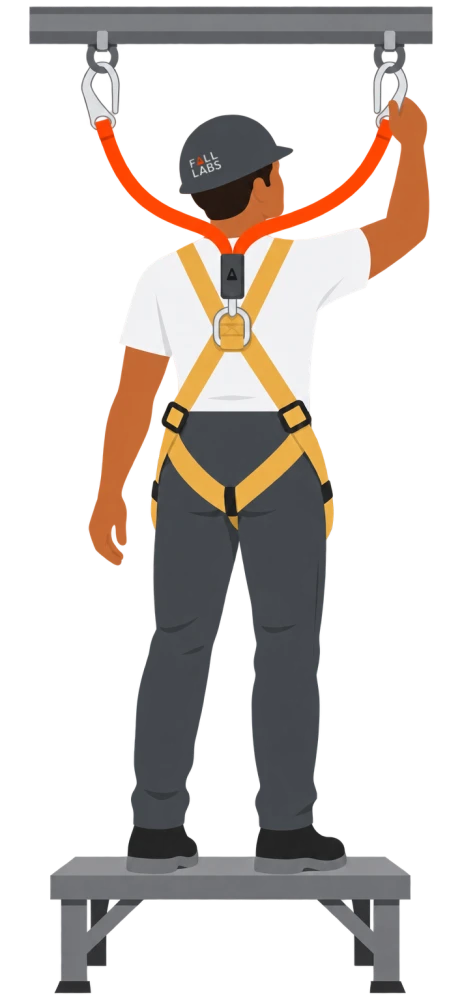
A twin-leg lanyard lets a worker stay connected while moving between anchorages, and it performs as tested only when both legs are connected, moved, and stored the way the manufacturer intends.
The dropped object standard sets how tethers, attachments, and containers are tested and labeled, and knowing what it covers helps buyers compare products on equal terms.
Arresting the fall is only half the job, and getting the worker down safely is the half that has to be planned before the work begins.